


In just a few months, the new coronavirus became the most talked-about subject in the world. And for good reason—we are facing a pandemic that requires caution. At this time, many questions arise, including the issue of coronavirus in animals.
Today, people know (or at least should know) the basic precautions they need to take to avoid contracting the virus, such as:
- Avoiding crowds;
- reducing contact with other people;
- washing hands thoroughly with soap;
- using hand sanitizer;
- wearing masks;
- covering the nose and mouth when coughing or sneezing.
However, many pet “dads” and “moms” do not know how to act regarding coronavirus in animals. Therefore, in this text, we will explain the subject and offer tips for caring for your four-legged friend during the pandemic.
Coronavirus: understand this subject once and for all
First, we need to clarify some information about the subject. Coronavirus is not actually the name of this much-feared virus, but of the family to which it belongs.
If coronavirus is the family, you may be wondering what the virus is called. Its official name is Sars-CoV-2. There is another widely used term: Covid-19.
Covid-19 (Coronavirus Disease 2019 ) is an acronym for: corona + virus + disease + the year it emerged. In other words, Covid-19 is the disease caused by the Sars-CoV-2 virus, which belongs to the coronavirus family.
Understanding this entire issue is essential for understanding the relationship between coronavirus and pets and dispelling some rumors circulating online.
Coronavirus in animals: what you need to know
Within the coronavirus family, there are types of viruses specific to certain animal species, such as camels, bats, cats, dogs, and even fish.
However, these are species-specific viruses that are unrelated to the virus causing this pandemic. So far, there is no scientific evidence that dogs and cats have contracted the new coronavirus.
Nevertheless, the fact that pets do not contract this virus does not mean that they cannot be means of transmission. Confusing? Here is the explanation: It is known that Sars-CoV-2 can survive for days, depending on the surface where it settles.
Therefore, a person infected with the virus can transmit it through the animal’s fur, collar, food bowl, clothing, and other pet items they handle or sneeze near.
To emphasize: dogs and cats do not catch or become ill from the new coronavirus, but they can harbor the virus if, for example, an infected human touches them.
Hygiene precautions to prevent coronavirus in pets
Pets should always be well fed, have plenty of fresh water, and have a designated place to rest and relieve themselves. This spatial limitation within the home makes cleaning and sanitizing easier.
The recommendation for people suspected of having or diagnosed with the new coronavirus is to avoid touching pets. If this is not possible, they should use protective equipment such as gloves and masks.
And what about walks? Cats are more comfortable staying at home, but dogs usually need exercise. If you have Covid-19 symptoms, ask someone else for help.
Walks should be brief, taking care to avoid interaction with other people. When returning home, the animal and its accessories should be cleaned and sanitized.
Kapazi’s pet line: invest in your companion’s comfort and health
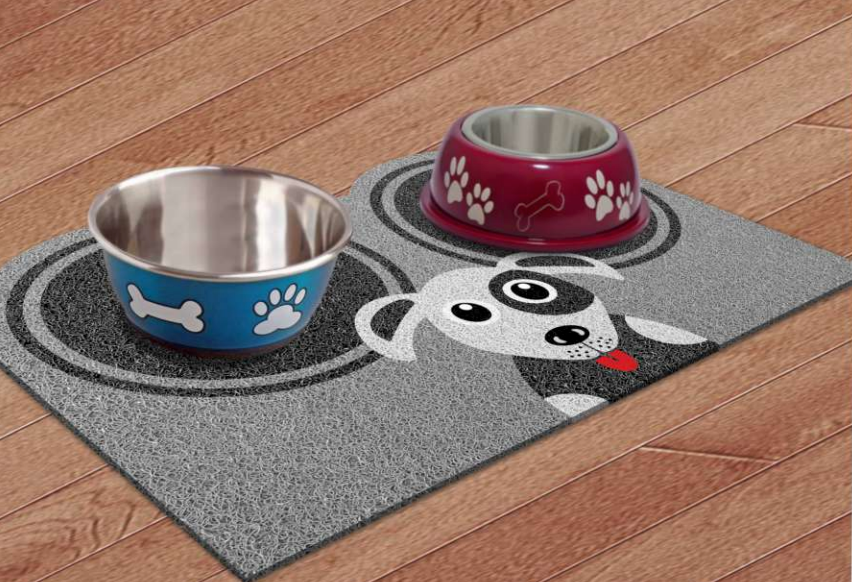
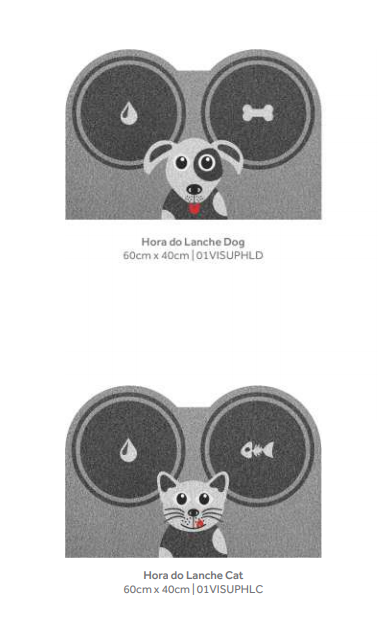
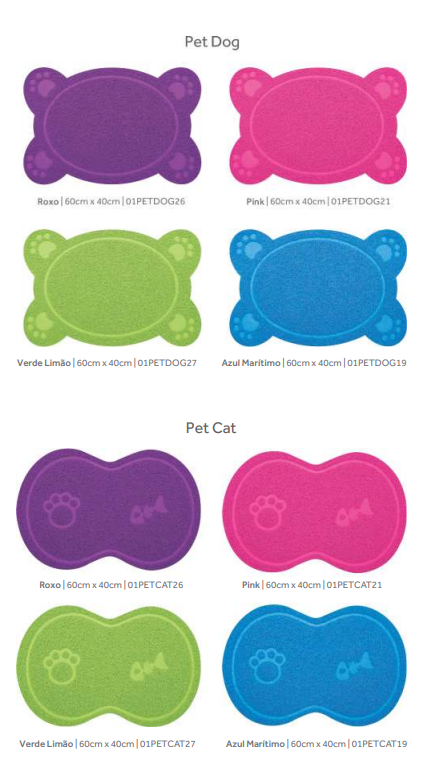
Pets transform, enchant, and bring any environment to life. With this in mind, Kapazi developed a PET line dedicated especially to these noble little friends: the Pet Vinyl line.
Created especially for your best friend, the rugs and doormats in this line are made from more resistant, easy-to-clean and sanitize, comfortable materials, so animals can stay cozy while also protecting your floor.
Products from this line can be used in various spaces, from your home’s entrance, to make sanitizing the animal easier, to its designated relief area. This makes it easier to clean the space and help prevent contamination by the new coronavirus.
After all, since the recommendation is to stay home, what could be better than a four-legged companion to make quarantine more fun, right? By taking these precautions, you protect your health and that of your friend.
Check out some photos:
In the age of fake news, we need to be careful with information in order to avoid panic and exaggerated reactions. Coronavirus in animals does not need to keep you up at night—just follow our tips and take daily precautions, and everything will be fine in the end!
Did you enjoy our content? Subscribe to our newsletter and always receive tips for your everyday life!


